What to Eat in Kaş and Kalkan: A Local Food Guide from Fresh Harbour Fish and İslamlar Trout to Lycian Wild Greens and Village Treats at the Friday Market
What to eat in Kaş and Kalkan? Discover the region's local food, from fresh fish and octopus to İslamlar trout, Lycian wild greens and village breakfasts.
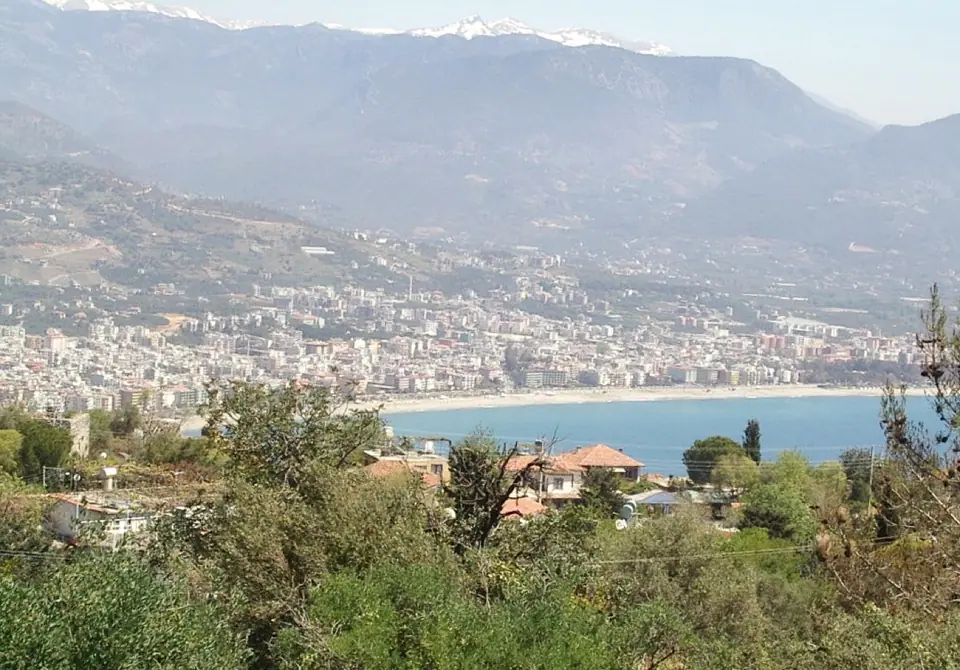
What to Eat in Kaş and Kalkan? A Quick Introduction to Lycian Coast Cuisine
What to eat in Kaş and Kalkan is one of the first questions visitors ask when they arrive in the region. The two towns are linked by a winding coastal road of about 27 kilometres, and the drive between them takes around half an hour. Despite the short distance, their food scenes have slightly different personalities: Kaş is more bohemian, known for its meyhanes (taverns) and small family-run eateries, while Kalkan is famous for its rooftop terrace restaurants and sea-view dinners.
What the two towns share is fresh Mediterranean produce. Fish and seafood from the sea, goat's cheese, honey and olive oil from the mountain villages, and wild greens gathered on the coastal hillsides make up the local table. Head a little higher into the foothills of the Taurus Mountains and the menu changes: gözleme, slow-cooked tandır meat and trout raised in cold spring water take centre stage.
In this guide, we cover the dishes you shouldn't miss in Kaş and Kalkan, from seafood dinners and village breakfasts to market stalls and desserts, along with practical tips on where to find them and the best season to try them.
Fresh Fish and Seafood at the Harbour: From Octopus to Calamari
Kaş harbour and Kalkan's old harbour area are at their liveliest in the late afternoon, when the fishing boats come back in. Most menus here change according to the catch of the day. Gilt-head sea bream and sea bass are available all year round, while local species such as dentex, pandora, red porgy, red mullet and grouper appear in the display cases depending on the season. In most restaurants you pick your fish yourself from the counter and have it grilled or steamed, priced by weight.
One of Kaş's best-loved dishes is grilled octopus. Tender and served with olive oil and lemon, it is a must at any rakı table. Fried calamari, shrimp güveç baked in a clay pot and samphire salad are also on the menu at almost every seafood restaurant.
A practical tip: before choosing your fish, always ask whether the price is per kilogram or per portion. In summer, the harbourfront tables fill up early, so it's a good idea to book a table for around sunset. In autumn and winter, the smaller, simpler restaurants where locals eat offer a quieter and more authentic seafood experience.
Meze Culture and the Wild Greens of Lycia
Perhaps the most distinctive side of Kaş and Kalkan's cuisine is its mezes and wild greens dishes prepared with olive oil. For centuries, people on the Lycian coast have gathered wild greens from hillsides and garden edges for their tables. Greens such as wild chicory, mallow, golden thistle, wild radish leaves and arapsaçı, a fennel-like wild herb, are blanched and served with olive oil and lemon or sautéed with eggs.
At the meyhanes, be sure to try samphire, stuffed courgette flowers, smoky roasted aubergine, haydari (a thick herbed yoghurt dip), girit ezmesi (a Cretan-style cheese and walnut spread) and topik (a chickpea and onion meze). Some places bring the mezes to your table on a large tray so you can choose whatever catches your eye. It's the easiest way to discover local flavours without knowing the menu.
The best time for wild greens is late winter and spring. When the hillsides turn green between February and April, the variety of fresh greens grows in both restaurants and markets. In summer, menus shift towards vegetable mezes, salads and olive oil stuffed vine leaves. Thanks to this rich meze culture, Kaş is also a very enjoyable stop for vegetarian travellers.
Trout in İslamlar Village and the Flavours of the Mountain Villages
Just above Kalkan, reached by a winding road of about 6 kilometres, İslamlar village is one of the region's favourite places to eat. Thanks to cold spring water flowing down from the mountains, trout has been farmed here for many years. In village restaurants shaded by plane trees, fresh trout is usually served grilled, pan-fried or baked in a clay pot, always accompanied by village salad, gözleme and homemade ayran.
İslamlar also offers a cool escape from the summer heat. As you climb up from Kalkan, the air becomes noticeably milder, and the view from the village down to the bay turns lunch into a special experience. A little further on, Bezirgan village is known for its traditional rural life, its wooden serender granaries raised on stilts and its simple village cooking.
Keep in mind that the roads to these villages are narrow and full of bends. If you're driving yourself, it's best to go during daylight hours. Some family-run places also have limited opening hours in winter, so if you're visiting out of season, ask your accommodation whether they're open before you set off.
Village Breakfast, Gözleme and Local Products
Starting the day with a good breakfast is almost a tradition in Kaş and Kalkan. Guesthouses and breakfast cafés often serve a serpme kahvaltı, a generous spread of small plates. The table usually includes local goat's cheese, tulum cheese, black and green olives, free-range eggs, tomatoes and cucumbers, pine or thyme honey, homemade jams and warm gözleme.
When it comes to jams, you can try Mediterranean specialities such as bitter orange, fig, quince and even aubergine jam. Bitter orange jam is made especially in winter, during the citrus harvest. Thyme and pine honey are among the most important products of the region's mountain villages.
Gözleme is enjoyed at any time of day, from breakfast to lunch. Thin dough is rolled out and cooked on a sac, a domed iron griddle, then filled with cheese, spinach, potato or minced meat. Along the coastal road and on the routes up to the highland plateaus, you'll spot small roadside stops where women roll out gözleme by the griddle. These breaks are a great way to split up a drive and support local producers at the same time. Honey, olive oil and dried thyme also make some of the best souvenirs to take home.
What to Find at the Kaş Friday Market and Kalkan Market
The best way to get to know the local cuisine is through its markets. In Kaş, the weekly market is held on Fridays and fills up with producers from the surrounding villages. In Kalkan, the market usually takes place on Thursdays. Since market days can occasionally change, we recommend checking with your accommodation before you go.
Depending on the season, the stalls offer fresh fruit and vegetables, wild greens, village cheeses, handmade erişte noodles, tarhana, dried figs, grape molasses, honey and olive oil. At some stalls, women cook fresh gözleme and bazlama flatbread during the market, and stopping mid-shop to try them with a glass of ayran is one of the most enjoyable parts of the experience.
Going early in the morning means you'll find the freshest produce and avoid the summer heat. Bring a cloth bag and carry small change or cash for little purchases, as many village producers may not accept card payments. Don't hesitate to ask for a taste at the cheese and olive stalls; producers are usually happy to offer you a sample.
Desserts, Ice Cream and Treats for an Evening Stroll
Walking through the narrow, bougainvillea-lined streets of Kaş after dinner is one of the town's favourite rituals, and no stroll is complete without ice cream. Ice cream shops in Kaş and Kalkan serve the classic kaymak (clotted cream) and mastic flavours, as well as Mediterranean fruit flavours such as fig, bitter orange and pomegranate.
Among the local desserts, kabak tatlısı, candied pumpkin served with tahini and walnuts, stands out especially in autumn and winter. Semolina halva, rice pudding and baked milk pudding are also common in traditional eateries. Some seafood restaurants bring fruit or halva to the table on the house at the end of the meal.
For coffee lovers, the town's small cafés are lovely spots to enjoy Turkish coffee or dibek coffee, ground in a stone mortar, with a view of the harbour. In summer, freshly squeezed orange juice, lemonade and ayran are the easiest ways to cool down.
One more tip: in Kaş, Uzunçarşı and the surrounding streets are at their busiest in the evening. If you plan your walk for after sunset, you'll catch the cooler hours and see the town at its most beautiful, lit up with lights.
Discover the Flavours of Kaş and Kalkan with Best Trips
Kaş and Kalkan are about 190 kilometres from central Antalya, roughly a three-and-a-half-hour drive. If you're on holiday in Side, Alanya or Kemer, planning the trip yourself, driving the winding coastal road and choosing the right stops can be tiring. This is where an organised tour saves you both time and energy.
At Best Trips, we offer hotel pick-up from many areas between Side and Kemer. You simply hop on our vehicle in front of your hotel in the morning and spend the day enjoying the scenery and the food. With our options covering the Lycian coast, ancient cities, boat trips and nature routes, you can explore Antalya's western side with ease.
For up-to-date information on tour programmes, routes and available dates, visit https://sidecabriosafari.com, where you can choose the tour that suits you best and book easily. Our team is happy to answer your questions and offer suggestions based on your holiday plans. If you're ready to discover the fresh fish, village tables and turquoise bays of Kaş and Kalkan, we look forward to welcoming you on your next adventure.
© CC BY-SA 3.0, https://commons.wikimedia.org/w/index.php?curid=33113