What to Eat in Gündoğmuş: From Tandır Lamb and Gözleme to Goat Cheese and Walnut Molasses, a Guide to Taurus Village Food
What to eat in Gündoğmuş? Discover Taurus village cuisine with tandır lamb, gözleme, keşkek, tarhana, goat cheese, walnuts and grape molasses, plus buying tips.
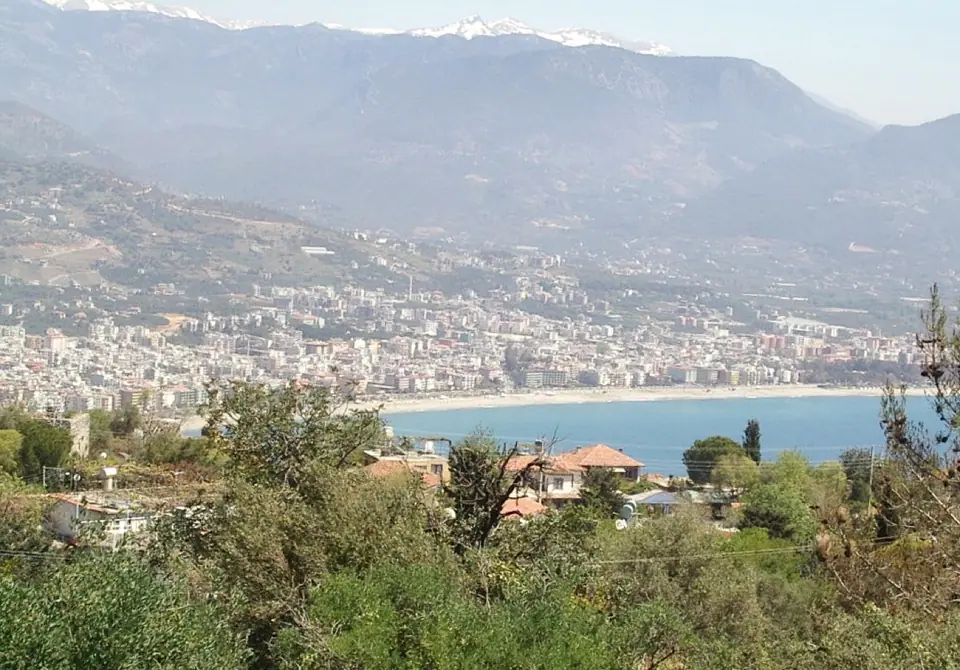
What to eat in Gündoğmuş? Simple, hearty food in the mountain air
Ask what to eat in Gündoğmuş and you will find yourself at a very different table from the hotel buffets on the coast. This small Taurus district sits about 70 kilometres north of Manavgat, roughly 900 metres above sea level at the foot of the Geyik Mountains, and its cuisine has been shaped for centuries by livestock farming, vineyards and preparing for winter.
The food here is unpretentious but filling: meat cooked over a wood fire, dough rolled out on the sac griddle, tarhana and bulgur dried in summer and stored for winter, cheeses made from goat's milk, and walnuts and grapes picked from local gardens. In a region where the Mediterranean and continental climates meet, the table brings two worlds together: on one side, traces of the coast with its olives and citrus; on the other, the rich, warming flavours of highland cooking.
After a mountain drive of about an hour and a half from Side, a lunch stop often becomes the most memorable moment of the day. In this guide you will find the main dishes to try in Gündoğmuş and the surrounding villages, what to look out for when buying local produce, and how to fit a food stop into your itinerary.
Tandır lamb and kid goat: the crown of the Taurus table
In Taurus villages, tandır is the most prized meat dish. Lamb or kid goat is slow-cooked for hours in pit ovens dug into the ground or in stone-built ovens, producing tender, slightly smoky meat that falls off the bone and has rendered its fat. It is usually served with plain rice, bulgur pilaf or village bread.
Goat and sheep farming is still an important livelihood around Gündoğmuş, so meat dishes take centre stage in the restaurants in town and at roadside rest stops. Tandır is not available every day or everywhere, because it takes a long time to cook. At smaller places in particular, it is wise to arrive around lunchtime or, if you are travelling with a large group, to call ahead.
Besides tandır, you will often find sac kavurma (meat sautéed on the griddle), lamb skewers and oven-baked güveç casserole. In winter, the cold mountain air whets the appetite for hearty dishes; in summer you may prefer something lighter in the midday heat and save the meat for dinner. If you don't eat meat, don't worry: the pastries and vegetable dishes in the next section will fill the table and then some.
Sac gözleme, bazlama and village bread
On the mountain road to Gündoğmuş, at almost every village café or rest stop, there is a good chance you will see a woman rolling out yufka dough beside a sac griddle. The thin dough is filled with çökelek (a fresh curd cheese), spinach, potato or minced meat, cooked on the griddle, brushed with butter and served piping hot. Add a glass of ayran and you have the perfect meal before or after a hike.
Bazlama and sac bread are also staples of every table. They are eaten with cheese and molasses at breakfast, alongside meat dishes at lunch and dipped into soup at dinner. Village bread baked in a wood-fired oven, with its thick crust and rich aroma, is easy to tell apart from city bakery loaves.
A practical tip for your gözleme stop: the small stalls run by local women are usually open in the morning and at lunchtime, and the dough may run out by the afternoon. Since some places may be closed on weekdays and in winter, it is best not to tie your route to a single spot and to keep a few options in mind along the way. For families with children, gözleme is also a safe choice that everyone enjoys.
Keşkek, tarhana and the flavours of winter stores
In Taurus villages, the end of summer is the season for preparing for winter. Wheat is pounded into bulgur, tarhana kneaded with tomatoes and peppers is dried in the sun, and fruit is turned into molasses and jam. One of the best-known dishes born from these preparations is keşkek: pounded wheat and meat cooked for hours in a cauldron and then beaten with a wooden spoon. It is made especially for weddings, religious holidays and large communal gatherings.
Tarhana soup is the warmest companion on a cold mountain morning. If you are heading to Gündoğmuş in winter or on a cool spring day, starting with a bowl of tarhana or lentil soup at a local restaurant will warm you up and is an easy way to get to know the local cuisine.
Keşkek is not something you will find every day; it is mostly cooked for special occasions and village events. If your visit coincides with a highland festival or a local celebration, don't miss the chance to join the crowd gathered around the cauldrons. Dried products such as tarhana, bulgur and erişte (homemade noodles) can be bought at village markets and roadside stalls, and since they are light, they travel easily in your suitcase.
Goat cheese, çökelek and a mountain breakfast
Around Gündoğmuş, herds of goats still graze the hillsides, giving the local cuisine a strong dairy tradition. Tulum cheese, fresh goat cheese, çökelek and strained yoghurt form the basis of a village breakfast. Cheeses made from the milk of animals grazing on the highland pastures carry seasonal notes of thyme and mountain herbs.
A typical mountain breakfast includes, alongside the cheeses, butter, free-range eggs, black and green olives, tomatoes, cucumbers, honey, grape molasses and tahini. Served with warm bazlama or sac bread, it is ideal for fuelling up before a long hike towards Eğrigöl or the Geyik Mountains.
If you want to buy cheese, think about how long your journey back will be. Fresh cheese and yoghurt can spoil quickly in hot weather; in summer it makes sense to bring a cool bag or to buy cheese at a stop close to your return route. Aged cheeses such as tulum keep better but should still be kept cool. Don't hesitate to ask the seller when the product was made and how it should be stored.
Walnuts, grapes, molasses and olives: from garden to table
In Gündoğmuş's lower, south-facing villages, such as those around Güneyyaka, local farmers have grown grapes, olives and walnuts for generations. These products play an important role both in everyday meals and in winter preparations.
The walnut harvest begins in autumn; fresh walnuts are eaten with cheese at breakfast, in desserts or together with molasses. Pekmez, the grape molasses made from local vineyards, is the traditional sweetener used instead of sugar in Taurus villages. In winter it is mixed with tahini and spread on bread as an energising snack. Some households also make dried sweets such as pestil (fruit leather) and cevizli sucuk (walnuts coated in thickened grape juice).
Olives and olive oil are a reminder of the district's Mediterranean-facing side. Oil and brined olives from the valleys closer to the coast are among the products you can find at village stalls.
The most practical things to take home as gifts are shelled walnuts, grape molasses, dried bulgur, tarhana and dried mountain thyme. Buying liquids in tightly sealed bottles and planning how to pack them in your suitcase if you are flying home will save you any surprises at the end of your holiday.
Practical tips for fitting a food stop into your route
Gündoğmuş is a small district, so don't expect a restaurant on every corner as you would in the big coastal resorts. There are a few options in the town centre and at rest stops along the main road, but the further you head into the villages and highland pastures, the fewer choices you will have. It is therefore wise to plan your meal in town or along the way, and to take water and snacks if you are heading up to high spots such as Eğrigöl.
The season matters too. In summer, the villages come alive with families moving to the highland pastures and expats returning home, and stalls and eateries are busier. In winter, some businesses may close or keep shorter hours; on snowy days, be sure to check road conditions.
Carrying cash is a good habit, as small village stalls may not accept cards. Prices are generally more reasonable than on the coast, but it is always worth asking about freshness and quantity. Finally, if you will be driving mountain roads for a long time after your meal, a short tea break after a heavy tandır is good for both your digestion and safe driving.
Reach the flavours of the Taurus easily with Best Trips
If you want to taste Gündoğmuş's village cooking but would rather not drive the winding mountain roads yourself, Best Trips tours make it easy. On our tours to the cool highlands, village roads and natural beauty of the Taurus Mountains, the route, stops and transport are all planned in advance, so you can simply enjoy the views and the local flavours.
Our tours include hotel pick-up across a wide area stretching from Side to Kemer. Whether you are staying in Manavgat, Side, Kızılot, towards Alanya, Belek, Lara or Kemer, you will be picked up outside your hotel in the morning and dropped back there at the end of the day. That way, parking, directions and the stress of driving on mountain roads are no longer part of your holiday.
To find out which tour suits you and your family, and to see current programmes and available dates, visit https://sidecabriosafari.com, where you can book with ease. If you have any questions, our team will be happy to help you choose the route that best fits your travel style. A hot gözleme and a glass of village tea are waiting for you in the cool Taurus air.
© CC BY-SA 3.0, https://commons.wikimedia.org/w/index.php?curid=33113