Best Time to Visit Gazipasa: A Season-by-Season Guide from Quiet Spring Beaches and Mango Harvest to Turtle Hatchlings and Mild Winter Sun
When is the best time to visit Gazipasa? A practical season-by-season guide to sea temperatures, turtle nesting, mango and avocado harvest and quiet months.
Best Time to Visit Gazipasa: The Short Answer and the Local Climate
Here is the short answer to when to visit Gazipasa: June to October is ideal for swimming and beach days; March to May and October to November are best for hiking, exploring ancient sites and enjoying peace and quiet; and the winter months are perfect if you want to see tropical fruit orchards and stay completely away from the crowds. Located about 45 kilometres east of Alanya and roughly 180 kilometres from Antalya city centre, Gazipasa sits on a narrow coastal strip where the Taurus Mountains come right down to the sea.
Because the mountains block the cold northerly winds, the district enjoys one of the mildest microclimates in Turkey. That is why tropical crops such as bananas, mangoes, avocados and dragon fruit grow here. Summers are hot and humid, while winters are rainy but mild, and snow almost never reaches the coast. Gazipasa's big advantage is that it is far quieter than neighbouring Alanya. Even at the height of summer, finding your own spot on the beach is easy. Below, we go through the pros and cons of each season and which type of holiday it suits best.
Spring: Green Hillsides and Pleasant Sightseeing Days in March, April and May
Spring is the most beautiful time of year for anyone who wants to get to know Gazipasa on foot and through day trips. In March the days are usually mild, the hillsides are lush green after the winter rains, and the scent of blossom drifts from the citrus groves. April brings steadily warmer weather, and by May the sunny days are already a preview of summer.
This is a wonderful time to climb up to the castle ruins on the hill of the ancient city of Selinus and wander, without the heat, through the remains of the city where Emperor Trajan is said to have died. The ruins of Iotape on the coast and the winding roads up to the mountain villages also look their best in the spring light.
The sea, however, is still cool for most people in March and April; those who want to swim usually wait until late May. Spring showers are short and occasional, but we still recommend packing a light rain jacket and layers. Accommodation opens up gradually during this period, so it is worth checking in advance whether smaller guesthouses have started their season.
Summer: Warm Sea and Turtle Season in June, July and August
Summer is when beach life in Gazipasa reaches its peak. In June the sea is already warm enough for comfortable swimming, and in July and August it becomes really warm. Midday temperatures can climb very high and the humidity is noticeable, so the smartest plan is to hit the beach early in the morning and again in the late afternoon.
What makes this season special is that Selinus Beach is an important nesting site for sea turtles. Loggerhead turtles (Caretta caretta) usually lay their eggs between May and July, and the hatchlings mostly make their way to the sea from late July to September. It is very important to keep away from marked nests, avoid using torches and camera flashes on the beach at night, not to plant umbrellas close to the waterline and never leave litter behind.
In summer Gazipasa stays noticeably calmer than Alanya, although the number of domestic visitors rises during Turkish public holidays. Booking accommodation early and always carrying plenty of water, a hat and high-factor sunscreen will make your trip much easier.
Autumn: Warm Sea and Mango Harvest in September, October and November
For many travellers, autumn is the most balanced time to visit Gazipasa. In September the sea holds on to the warmth it has built up over summer, while the air gradually softens. In October the days are still warm enough for the beach and the water is comfortable for swimming for many people. Rain starts to arrive in November, but there are still plenty of gorgeous sunny days in between.
Autumn is also tropical fruit season. The mango harvest that made Gazipasa famous usually runs from late summer into autumn, and avocado picking begins in the later weeks of autumn. You can buy fresh fruit straight from the growers at roadside stalls and the local market. A morning stroll among the banana plantations and greenhouses is a great way to understand the farming culture of the region.
Crowds thin out at this time of year, the coast becomes peaceful and exploring the ancient sites is enjoyable again. Evenings can get cool, so don't forget to pack a light cardigan.
Winter: Mild Sunshine, Banana Plantations and Total Tranquillity in December, January and February
In winter Gazipasa, one of the mildest corners of the Mediterranean, appeals to those looking for a quiet getaway. Rainy days are more frequent at this time, but on the sunny days in between, a walk along the shore or sitting in a tea garden facing the sea is a real pleasure. For most people the sea is too cool for swimming, though brave swimmers may still take a quick dip during sunny midday hours.
Winter is when the avocado and citrus harvests continue and the banana greenhouses are at their busiest. If you want to see local life without the tourist crowds, discover regional produce at the markets and have the ruins of Selinus all to yourself, the winter months are truly special. The higher peaks of the Taurus can be covered in snow, and watching that view from the coast is one of winter's unique delights.
Some beach businesses and guesthouses may be closed during this period. It is a good idea to research accommodation and restaurant options in advance and have a backup plan for rainy days, such as a museum visit or a trip to Alanya.
Flights, Crowds and Budget: Practical Tips by Season
Getting there is also an important factor when deciding when to visit Gazipasa. Gazipasa-Alanya Airport is very close to the town centre and is busy especially in the summer season, with domestic and some international flights. The number of flights usually drops in winter, so if you are coming at that time, consider Antalya Airport as an option too. The drive from Antalya to Gazipasa can take around three hours depending on traffic.
The busiest periods are July, August and Turkish public holidays. Accommodation prices also tend to peak during these weeks. If you are looking for better prices and a quieter atmosphere, May, early June, late September and October offer the best balance.
A note for anyone planning to rent a car: the coastal road east of Gazipasa winds between the mountains and the sea. The views are stunning, but because of the many bends it is best to drive carefully and in daylight. On rainy winter days, checking road conditions in advance is the key to a safe journey.
Explore Gazipasa and the Surrounding Area with Best Trips
Whichever season you choose to see Gazipasa's quiet beaches, ancient cities and tropical gardens, you may want to add some different experiences to your holiday on the Antalya coast. At Best Trips, with our guides who know the region inside out and our experienced team, we organise a wide range of tours, from jeep safaris and boat trips to canyon excursions and ancient city routes.
The biggest convenience of our tours is the hotel pick-up service. We collect our guests from hotels in many areas from Side to Kemer and drop them back at their accommodation at the end of the day. That way, you don't have to worry about roads, parking or route planning and can simply enjoy the scenery and the day.
If you have set your holiday dates, visit https://sidecabriosafari.com to choose the tour that best suits the season and book your place in advance. Our team will be happy to help with any questions about tour content, pick-up areas and booking details. We look forward to welcoming you for an unforgettable day on the sunny shores of the Mediterranean.
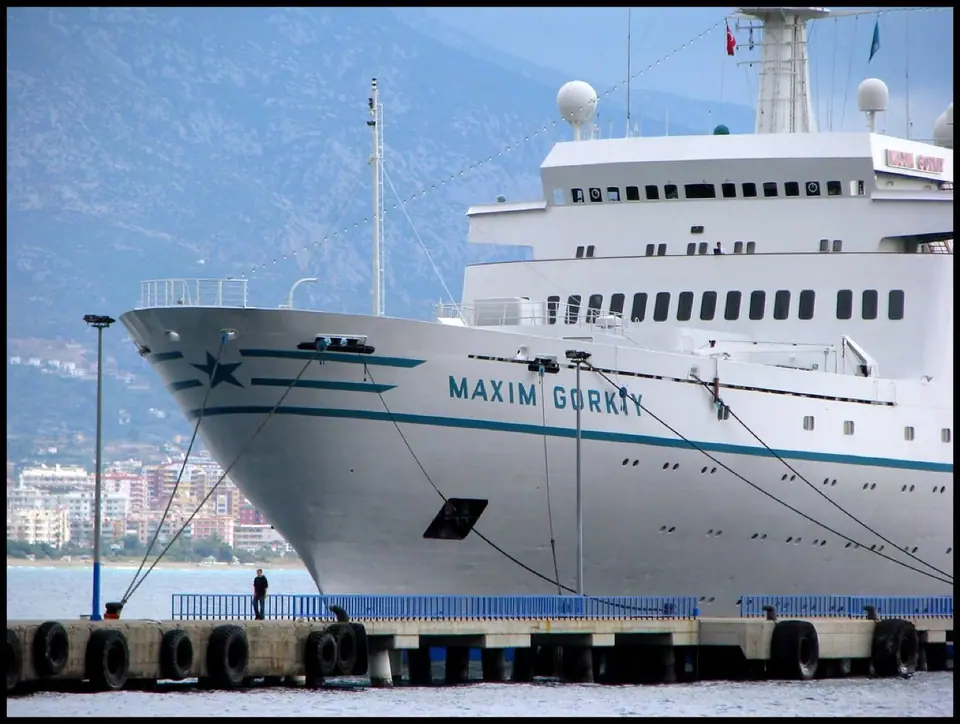
© Ozgurmulazimoglu, CC BY 2.0, https://www.flickr.com/photos/9356370@N06/3048003678